
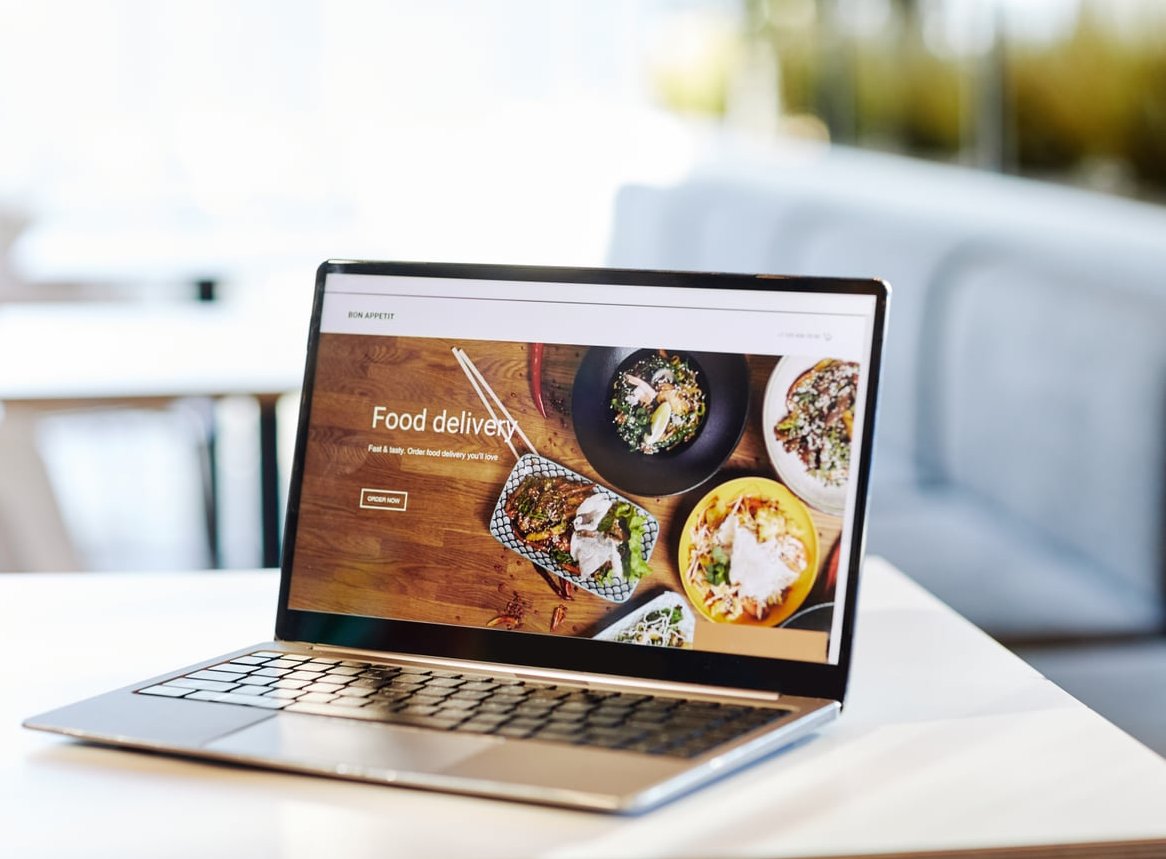
Why Your Restaurant Website Features Matter More Than Ever
Here is a hard truth: most people decide where to eat before they ever walk through your door. They check your website first. And if it is slow, confusing, or missing key information, they leave and pick a competitor instead.
The restaurant website must-have features in 2026 go far beyond just looking pretty. Visitors expect to find your menu in seconds, book a table without calling, order food online, and do all of it from their phone. If your site cannot deliver that experience, you are losing customers every single day without even knowing it.
We put together this detailed guide to help restaurant owners understand exactly what their website needs to include, why each feature matters, and how missing even one of them can cost real revenue. Whether you are building a new site or improving an existing one, this list covers everything.
The 12 Restaurant Website Must-Have Features for 2026
1. Mobile-First Design (Not Just Mobile-Friendly)
Over 75% of restaurant searches happen on mobile devices. Google also uses mobile-first indexing, which means it evaluates the mobile version of your site before the desktop version when ranking pages.
Mobile-first design is not the same as making a desktop site shrink to fit a smaller screen. It means designing for the phone experience first and scaling up for desktop second.
What this looks like in practice:
- Tap-friendly buttons that are large enough to press with a thumb
- Text that is readable without pinching or zooming
- Fast load times under 3 seconds on a mobile connection
- Click-to-call phone numbers
- Sticky navigation that stays accessible as users scroll
If your restaurant site is not built mobile-first, you are already behind in both user experience and search rankings.
2. Clear, HTML-Based Menu (Not a PDF)
Your menu is the most visited page on your entire restaurant website. It is often the deciding factor for whether someone chooses to dine with you or keeps scrolling.
Yet many restaurants still upload their menu as a PDF file. This creates several problems:
- PDFs are hard to read on phones without constant zooming and scrolling
- Google cannot easily crawl and index PDF content for search results
- They load slowly, especially on mobile networks
- You cannot track which items people look at or click on
The fix: Build your menu directly into your website using clean HTML text. Include item names, short descriptions, prices, and allergen or dietary labels where relevant. Make it searchable, scannable, and simple to update whenever dishes change.
Bonus: HTML menus can also appear as rich results in Google, giving you more visibility in search.
3. Online Ordering System
Online ordering is no longer a nice-to-have. It is expected. Whether customers want delivery, takeout, or curbside pickup, they want to order directly from your website without downloading an app or calling.
Key elements of a good online ordering setup:
- A prominent “Order Now” button visible on every page
- A clean, intuitive ordering flow with minimal steps
- Integration with your POS or kitchen display system
- Options for pickup, delivery, and scheduled orders
- Secure payment processing
Restaurants that rely solely on third-party platforms like delivery apps lose a significant percentage of each order to commissions. Having your own online ordering system on your website keeps more profit in your pocket and gives you direct access to customer data.
4. Online Reservation and Table Booking
Many diners prefer to reserve a table online rather than call. A frictionless reservation system integrated directly into your website removes barriers and increases bookings.
Your reservation feature should:
- Allow guests to pick a date, time, and party size in a few clicks
- Send automatic confirmation emails or text messages
- Sync with your internal reservation management
- Be accessible from the homepage and navigation bar
Tools like OpenTable, Resy, or built-in booking widgets can be embedded without much technical work. The important thing is that it is easy to find and easy to use.
5. Location, Hours, and Contact Information (Front and Center)
This sounds basic, but you would be surprised how many restaurant websites bury this information. Your address, phone number, and hours of operation should be visible within seconds of landing on your site.
Best practices:
- Display your address, phone, and hours in the header or footer of every page
- Make the phone number clickable for mobile users
- Embed a Google Map so visitors can get directions with one tap
- Clearly note any seasonal hours, holiday closures, or special schedules
If someone has to hunt for your hours, they will not hunt. They will leave.
6. High-Quality Food and Interior Photography
People eat with their eyes first. Professional, appetizing photos of your food and your dining space have a direct impact on whether someone decides to visit.
What to include:
- Photos of signature dishes and popular menu items
- Images of the restaurant interior, showing the ambiance and seating
- Exterior shots so first-time visitors can recognize the building
- Behind-the-scenes or kitchen photos if they fit your brand personality
Avoid generic stock photos. Diners can tell the difference, and stock images actually reduce trust. Invest in a professional photo shoot or work with a food photographer. It pays for itself many times over.
7. Social Proof: Reviews, Ratings, and Press Mentions
When potential customers are deciding between you and a competitor, social proof tips the scale. Showcasing positive reviews, ratings, awards, or press coverage on your website builds trust instantly.
Ways to display social proof effectively:
- Embed a live feed of Google or Yelp reviews
- Feature select testimonials with the reviewer’s first name and date
- Display press badges or logos from publications that have featured you
- Highlight awards or recognitions you have received
- Show your average star rating prominently
Do not hide your reviews on a separate page. Place them on your homepage or near your calls to action where they reinforce the decision to book or order.
8. Strong Calls-to-Action on Every Page
Every page on your restaurant website should guide the visitor toward a clear next step. Without strong calls-to-action (CTAs), visitors browse passively and leave without converting.
The most important CTAs for a restaurant website:
| CTA | Where to Place It | Why It Matters |
|---|---|---|
| Order Online | Header, homepage hero, menu page | Drives direct revenue |
| Reserve a Table | Header, homepage, contact page | Fills seats and reduces no-shows |
| View Our Menu | Homepage hero, navigation bar | Most requested info by visitors |
| Get Directions | Footer, contact page, location section | Removes friction for first-time visitors |
| Join Our Email List | Footer, pop-up, about page | Builds long-term customer relationships |
Use contrasting button colors and action-oriented language. “Reserve Your Table Tonight” is stronger than “Reservations.”
9. An “About Us” or “Our Story” Page
People want to feel a connection with the places they eat. An About Us page tells your story, introduces the people behind the food, and communicates what makes your restaurant different.
This page should include:
- A brief history of the restaurant and how it started
- Your mission, values, or culinary philosophy
- A photo or short bio of the chef and/or owner
- What makes your restaurant unique (sourcing, traditions, specialties)
Keep it genuine and concise. This is one of the pages that builds emotional connection and turns a first-time visitor into a loyal regular.
10. Local SEO Elements Built Into the Site
When someone searches “best Italian restaurant near me” or “dinner in [your city],” you want your restaurant to show up. Local SEO is what makes that happen, and much of it starts with your website.
Essential local SEO elements every restaurant site needs:
- NAP consistency: Your Name, Address, and Phone number should be identical on your website, Google Business Profile, and all directories
- Schema markup: Add structured data (LocalBusiness and Restaurant schema) so search engines understand your business details
- Location-specific keywords: Naturally include your city, neighborhood, and cuisine type in page titles, headings, and content
- Google Business Profile link: Connect your website to your verified Google listing
- Embedded Google Map: Helps both users and search engines associate your site with a specific location
Without these elements, your restaurant becomes invisible to local searchers, which is where a huge portion of your potential customers come from.
11. Fast Page Speed and Core Web Vitals
A slow website does not just frustrate visitors. It hurts your Google rankings too. Page speed is a confirmed ranking factor, and Google’s Core Web Vitals measure how fast and smooth your site feels to users.
Targets to aim for:
- Largest Contentful Paint (LCP): Under 2.5 seconds
- Interaction to Next Paint (INP): Under 200 milliseconds
- Cumulative Layout Shift (CLS): Under 0.1
Common speed killers on restaurant websites include uncompressed images, heavy sliders, too many third-party scripts, and cheap hosting. Optimize images, use lazy loading, minimize plugins, and choose a reliable hosting provider.
You can test your site for free using Google PageSpeed Insights.
12. Easy Content Management for Owners and Staff
This one is often overlooked, but it matters a lot. Restaurant details change frequently: seasonal menus, holiday hours, new specials, staff changes, event announcements. If updating your website requires calling a developer every time, things will not get updated.
Your website should be built on a platform or CMS that allows you or your staff to:
- Update menu items and prices in minutes
- Change opening hours and holiday schedules easily
- Add new photos or event announcements without technical help
- Post job openings when you are hiring
A website with outdated information is worse than no website at all. It actively damages trust. Make sure the backend is simple enough that non-technical staff can keep it current.
Quick Reference: Restaurant Website Must-Have Features Checklist
Use this checklist to audit your current site or plan a new one:
| # | Feature | Priority |
|---|---|---|
| 1 | Mobile-first design | Critical |
| 2 | HTML-based menu (no PDFs) | Critical |
| 3 | Online ordering system | Critical |
| 4 | Online reservations | High |
| 5 | Location, hours, and contact info | Critical |
| 6 | High-quality photos | High |
| 7 | Social proof and reviews | High |
| 8 | Strong calls-to-action | High |
| 9 | About Us / Our Story page | Medium |
| 10 | Local SEO elements | Critical |
| 11 | Fast page speed and Core Web Vitals | High |
| 12 | Easy content management | High |
What Happens When Features Are Missing
Every missing feature on this list represents a leak in your sales funnel. Here is how it plays out in real terms:
- No mobile optimization = visitors bounce within seconds and never come back
- PDF-only menu = frustrated users who cannot read your offerings on their phone
- No online ordering = lost revenue to competitors and third-party apps that take 20-30% commissions
- Hidden contact info = potential guests who give up and pick another restaurant
- No local SEO = your restaurant does not appear in “near me” searches at all
- Outdated information = customers who show up when you are closed, leave angry reviews, and never return
The cost of fixing these issues is almost always far less than the revenue you lose by ignoring them.
Frequently Asked Questions
What should a restaurant website include at minimum?
At an absolute minimum, every restaurant website needs: a mobile-friendly design, an HTML-based menu with prices, your location and hours displayed clearly, a clickable phone number, and basic local SEO elements like schema markup and NAP consistency. These are the non-negotiables that visitors expect to find within seconds.
Why should I avoid using a PDF menu on my restaurant website?
PDF menus are difficult to read on mobile devices, slow to load, and hard for Google to index properly. They also prevent you from tracking what visitors look at. An HTML menu built directly into your site loads faster, looks better on all screen sizes, and helps with search engine rankings.
How important is online ordering for a restaurant website in 2026?
Very important. Consumer expectations have shifted permanently, and most diners expect to be able to order directly from a restaurant website. Having your own ordering system also saves you the steep commission fees charged by third-party delivery platforms, which typically range from 15% to 30% per order.
What is the best way to add local SEO to a restaurant website?
Start by ensuring your name, address, and phone number are consistent across your website, Google Business Profile, and all online directories. Add Restaurant schema markup to your site code. Include your city and neighborhood naturally in page titles and headings. Embed a Google Map on your contact or location page. These steps significantly improve your visibility in local search results.
How often should I update my restaurant website?
Update it whenever something changes. Menu updates, seasonal specials, holiday hours, new photos, staff changes, and events should all be reflected on your site as soon as possible. Outdated information erodes customer trust and leads to negative experiences. Ideally, you should review your website content at least once a month.
Final Thoughts
Your restaurant website is not just a digital brochure. It is a working tool that should attract new customers, answer their questions, and make it easy for them to take action, whether that means placing an order, booking a table, or simply finding your front door.
The 12 restaurant website must-have features listed above are not optional extras. They are what today’s diners expect. And when those expectations are not met, they go somewhere else.
Take the time to audit your current site against this list. Identify the gaps. Fix them. Every feature you add removes a reason for a potential customer to leave.
If you need help building or improving a restaurant website that checks every box, get in touch with our team at Curry8. We build restaurant websites designed to convert visitors into paying guests.